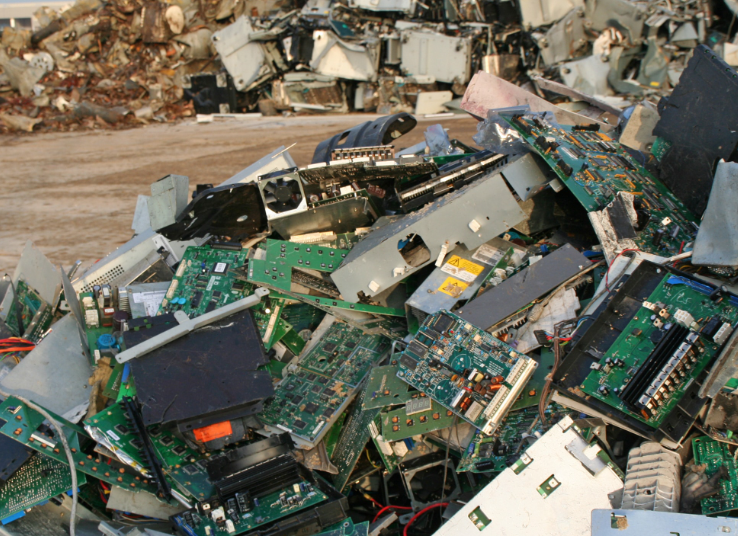
Electronic waste, or e-waste, is one of the fastest-growing waste streams worldwide. From old computers and printers to outdated smartphones and office electronics, businesses and households alike generate e-waste at an alarming rate. Without proper handling, these materials can harm the environment and pose serious health risks due to toxic substances like lead, mercury, and cadmium.
For businesses, setting up a structured e-waste management plan is not only an eco-friendly choice but also a cost-effective strategy that supports compliance, sustainability, and brand reputation. Here’s a step-by-step guide to creating a plan that works.
Step 1: Assess Your Current E-Waste Generation
The first step is understanding how much e-waste your organization produces. Take an inventory of all electronic devices currently in use and identify those that are outdated, broken, or nearing the end of their lifecycle. Tracking usage patterns helps you forecast future e-waste and plan for replacements responsibly.
Tip: Categorize electronics into groups such as computers, printers, networking equipment, mobile devices, and batteries for easier management.
Step 2: Establish Clear E-Waste Policies
A successful e-waste management plan requires company-wide policies. Define how employees should handle old devices, who is responsible for collecting them, and what steps should be taken before disposal. For example:
- Require secure data wiping before recycling laptops and hard drives.
- Mandate collection points within office premises.
- Outline vendor partnerships for proper recycling and disposal.
When everyone knows the rules, compliance becomes seamless.
Step 3: Partner with Certified E-Waste Recycling Services
Not all recyclers handle e-waste responsibly. Partner with a certified e-waste recycling company that follows proper disposal methods and ensures compliance with local, state, and federal regulations. A trusted provider will safely dismantle electronics, recover valuable materials, and prevent hazardous substances from entering landfills.
Be sure to ask your vendor for proof of certification (such as R2 or e-Stewards) and request documentation for every batch of e-waste collected.
Step 4: Incorporate Data Security Measures
For businesses, data protection is critical. Before disposing of electronic devices, implement secure data destruction methods such as:
- Software-based data wiping
- Hard drive shredding
- Degaussing (magnetic data erasure)
This ensures sensitive company and customer information does not fall into the wrong hands during the recycling process.
Step 5: Create Employee Awareness Programs
Your e-waste plan won’t succeed without employee participation. Educate staff about the importance of responsible e-waste management and provide training on proper disposal practices. You can:
- Host awareness workshops
- Send internal newsletters on e-waste policies
- Place visible signage near collection bins
An informed workforce helps reduce mistakes and improve compliance.
Step 6: Monitor, Report, and Improve
An effective plan requires ongoing evaluation. Track how much e-waste is generated and recycled over time. Request reports from your recycling partner to measure your organization’s impact. Share these results internally or in sustainability reports to highlight your company’s commitment to environmental responsibility.
Over time, refine your plan by exploring options like electronics reuse, refurbishing, or donation programs.
Final Thoughts
Setting up an e-waste management plan is a proactive step that protects the environment, secures your company’s data, and strengthens your brand’s commitment to sustainability. By following a structured process—assessing waste, creating policies, partnering with certified recyclers, and educating employees—you can ensure that your electronic waste is handled responsibly and efficiently.
Taking action today not only helps your business stay compliant but also contributes to a cleaner, greener future.
This post was written by Steven Elia Co-Founder and Recycling Director at eCycle Florida. eCycle Florida is a R2 Certified electronics recycling company in the state of Florida. Our processes and procedures are dedicated to the proper destruction and recycling of your electronics. eCycle Florida is your go-to for commercial e waste.
 Zentrix
Leave a comment