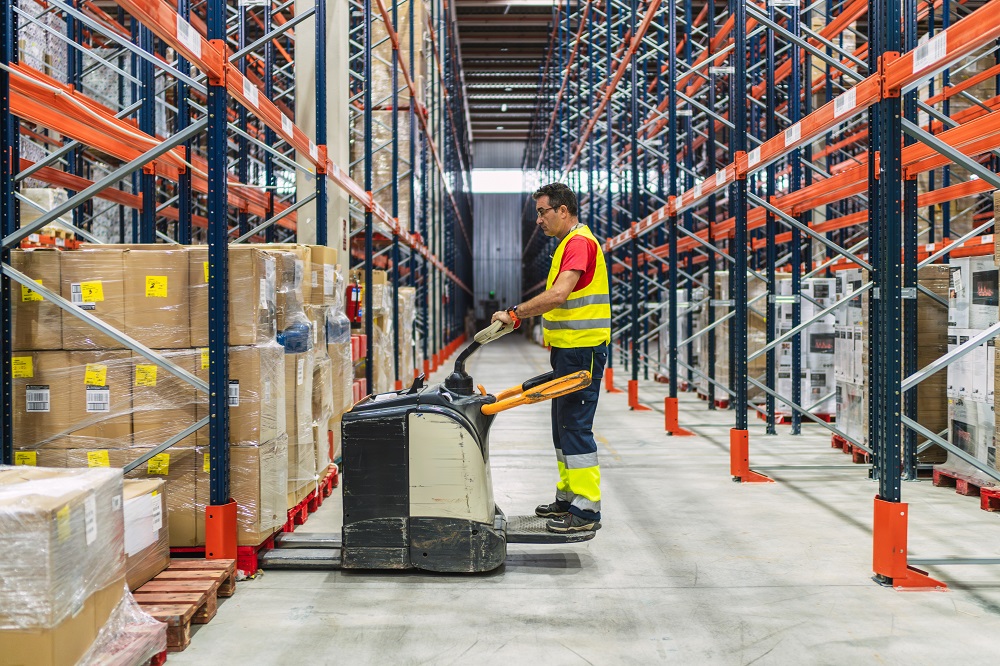
Warehousing has evolved significantly as global trade and e-commerce continue to grow. Businesses today rely on different warehousing solutions to manage storage, inventory flow, and order fulfillment more efficiently. These solutions are designed to match varying business sizes, industries, and delivery demands. Some companies require short-term storage, while others need long-term distribution hubs.
Technology has also played a major role in improving accuracy and speed in warehouse operations. As customer expectations increase, logistics providers must adapt quickly to stay competitive. Understanding these solutions helps businesses choose the right setup for smoother supply chain performance.
Public Warehousing and Shared Storage Facilities
Public warehousing is one of the most flexible options available in the logistics industry. It allows multiple businesses to rent storage space without investing in their own facility. This solution is ideal for companies with seasonal demand or limited storage needs. Costs are usually based on space used and services required, making it budget-friendly for smaller businesses. These warehouses often provide basic handling, storage, and distribution services. They also help businesses scale operations without long-term commitments. Many startups prefer this option because it reduces upfront infrastructure costs.
Private Warehousing for Full Control
Private warehousing is owned and operated by a single company for its exclusive use. This solution offers complete control over storage, inventory management, and distribution processes. Large businesses often choose this option when they have consistent and high-volume operations. It requires significant investment in infrastructure, staff, and maintenance. However, it provides better customization and operational efficiency in the long run. Companies can design the warehouse layout according to their specific workflow needs. This makes it easier to maintain quality standards and brand consistency across logistics operations.
Contract Warehousing and Outsourced Operations
Contract warehousing is a long-term agreement between a business and a third-party logistics provider. It combines flexibility with dedicated services tailored to specific business requirements. Companies benefit from professional warehouse management without handling daily operations themselves. This solution often includes inventory tracking, order processing, and transportation coordination. It is commonly used by mid-sized businesses looking to scale efficiently. Providers usually offer customized solutions based on storage volume and distribution needs. This model helps reduce operational complexity while maintaining service quality.
Distribution Centers and Fast Fulfillment Networks
Distribution centers focus on quick movement of goods rather than long-term storage. These facilities are essential for businesses that require fast delivery and high order turnover. Products are received, sorted, and shipped out in a very short time frame. This model is widely used in e-commerce and retail industries. Efficiency is improved through automation and real-time inventory tracking systems. A warehouse management system often integrates processes like pick pack ship to streamline order fulfillment. This ensures that customer orders are processed accurately and delivered faster. It also supports more precise inventory control, helping businesses maintain better stock accuracy and reduce discrepancies.
Cold Storage and Temperature-Controlled Warehousing
Cold storage warehousing is designed for products that require specific temperature conditions. It is commonly used for food, pharmaceuticals, and other perishable goods. These facilities maintain strict environmental controls to preserve product quality. Advanced monitoring systems help track temperature and humidity levels continuously. Proper handling procedures are essential to avoid spoilage and ensure safety compliance. Businesses in the healthcare and food industries heavily rely on this solution. It plays a critical role in maintaining product integrity throughout the supply chain.
Conclusion
Selecting the right warehousing solution depends on business size, industry, and logistics needs. Companies must evaluate cost, scalability, and operational control before making a decision. Some businesses prioritize flexibility, while others focus on efficiency and speed. Technology integration also plays a key role in modern warehouse operations. The right choice can significantly improve supply chain performance and customer satisfaction. Many organizations combine different warehousing models to meet diverse requirements. Ultimately, the goal is to create a smooth and reliable logistics system that supports long-term growth.
 Zentrix
Leave a comment